The world of samurai swords, or katana, is steeped in rich history and craftsmanship that captivates enthusiasts and collectors around the globe. As we look toward 2026, the fascination for these iconic weapons continues to grow, driven by their cultural significance and artistic value. Collectors are not merely acquiring swords; they are preserving a legacy that echoes the traditions of the samurai, which have influenced not only martial arts but also aesthetics, philosophy, and the way of life in Japan.
For many, owning a samurai sword represents more than just possession; it embodies a deep appreciation for the intricate artistry involved in its creation. Each blade tells a story, from its forging technique to the materials used, and even the historical context of its maker. As this unique market evolves, collectors are increasingly seeking ways to acquire authentic pieces that resonate with their passion. This article explores the current landscape of samurai sword collections, highlighting trends, significant factors affecting the market, and what enthusiasts can expect in the coming years.
As we delve into this exploration of samurai swords, we will examine various facets that contribute to their allure. From understanding the types of swords and their characteristics to insights on ethical sourcing and preservation, this guide aims to equip collectors with the knowledge needed to navigate their journey effectively. Whether you are a seasoned collector or new to the world of samurai swords, the information herein will serve as a valuable resource, providing clarity and direction as the market continues to flourish in 2026 and beyond.
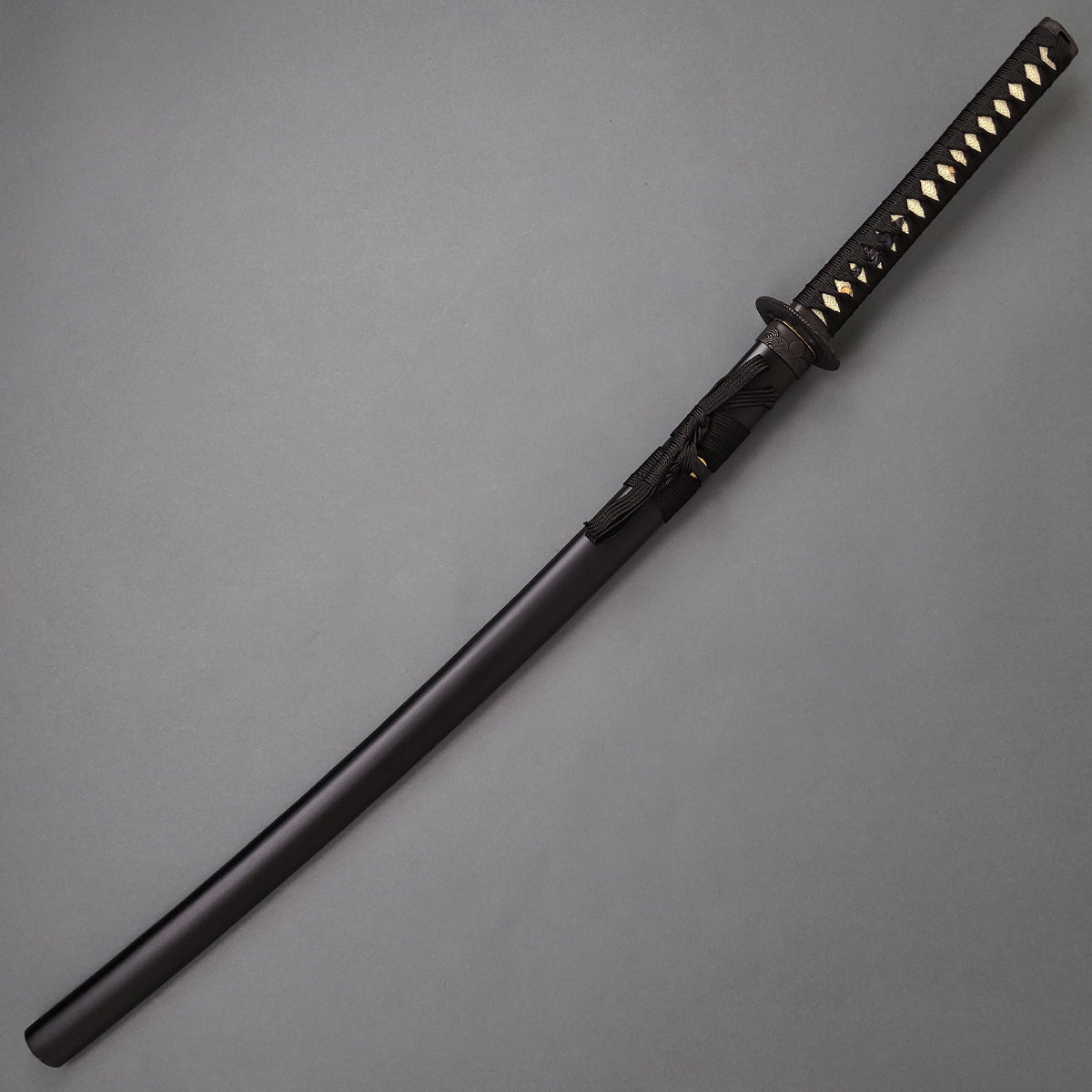
To appreciate the depth of samurai sword collections, it is crucial to comprehend the various types of swords that exist within this category. The most recognized among these is the katana, characterized by its curved, single-edged blade and distinctive tang. Historically, the katana was the main weapon of the samurai, prized for its effectiveness in combat and its elegance in design. Alongside the katana, we also encounter the wakizashi, a shorter blade that often accompanied the katana as part of the samurai's daisho set.
The daisho, consisting of both the katana and wakizashi, symbolizes the samurai's status and honor. Another notable type is the tanto, a small dagger that was used for close combat and also served as a tool for ritual suicide, known as seppuku. Understanding these distinctions is essential for collectors, as each sword type carries its own historical context and significance. This knowledge not only enhances the appreciation of the swords but also informs buying decisions.
In addition to the types of swords, collectors must also be aware of the various styles and techniques used to forge these blades. Traditional Japanese sword-making techniques, such as hada (the pattern of the steel) and hamon (the temper line), greatly influence the sword's value and aesthetic appeal. Techniques like folding the steel create unique patterns, while differential hardening enhances performance in battle. For collectors, recognizing these features is vital, as they not only contribute to the sword's beauty but also its functionality.
The katana stands as the most iconic representation of samurai swords, revered for its balance, sharpness, and beauty. Its design, which includes a long, curved blade, a distinctive tsuba (hand guard), and a wrapped handle, showcases the masterful craftsmanship that goes into each piece. The katana is not merely a weapon; it is a symbol of the samurai's spirit and dedication to their craft. Collectors often seek katanas from renowned makers, as these blades can appreciate significantly in value over time.
When purchasing a katana, collectors should consider factors such as the blade's condition, historical provenance, and maker's signature. A well-preserved katana with a clear history can command a higher price, making it a worthwhile investment. Additionally, collectors should be aware of the various styles of katanas, such as shinogi-zukuri (the most common shape) and tachi (an older style), which may influence their collecting strategy.
The wakizashi, often overshadowed by its larger counterpart, the katana, plays a significant role in the samurai's arsenal. Typically measuring between 12 to 24 inches, this shorter blade was designed for close combat and could be wielded effectively in confined spaces. In many cases, the wakizashi served as a backup weapon, allowing samurai to defend themselves if they were disarmed. The significance of the wakizashi extends beyond its practical use; it also symbolizes the samurai's duality of purpose, balancing offensive and defensive strategies.
For collectors, acquiring a wakizashi can offer a unique perspective on samurai weaponry. The craftsmanship involved in making these blades is often on par with that of katanas, showcasing similar techniques and artistry. Collectors should pay attention to the same factors as they would for katanas, including blade condition and historical significance, ensuring that each wakizashi adds value to their collection.
The tanto, a small dagger traditionally used by samurai, is another fascinating component of samurai sword collections. Typically measuring less than a foot in length, the tanto was designed for close-quarters combat and as a tool for various tasks. Its significance is not merely functional; the tanto is often intricately designed and serves as a work of art in its own right.
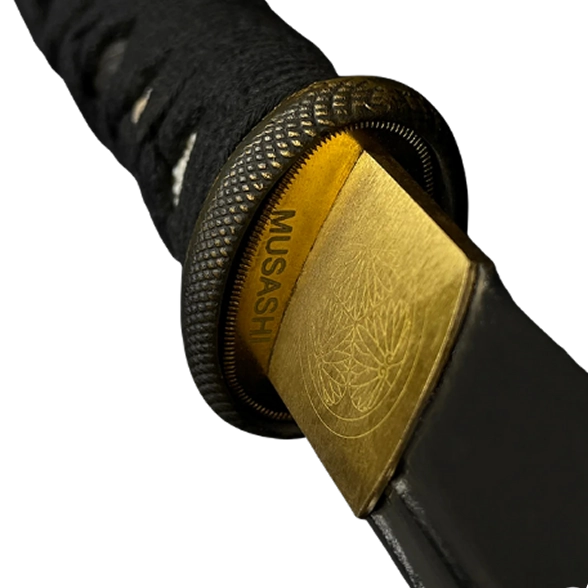
Collectors interested in tanto should explore the various styles and designs that exist. Some tantos feature elaborate hilts and unique blade shapes, often influenced by the era in which they were made. As with other samurai swords, collectors should seek tanto with documented provenance, as this can elevate their value significantly. Understanding the historical context and craftsmanship of tantos can enrich a collector's appreciation for this often-overlooked weapon.